30 Seconds to Perfection – the Art of the Short Voice Message
Reason, point, ask – with this template almost any voice message fits into 30 seconds. With a before-and-after example and a quick exercise.
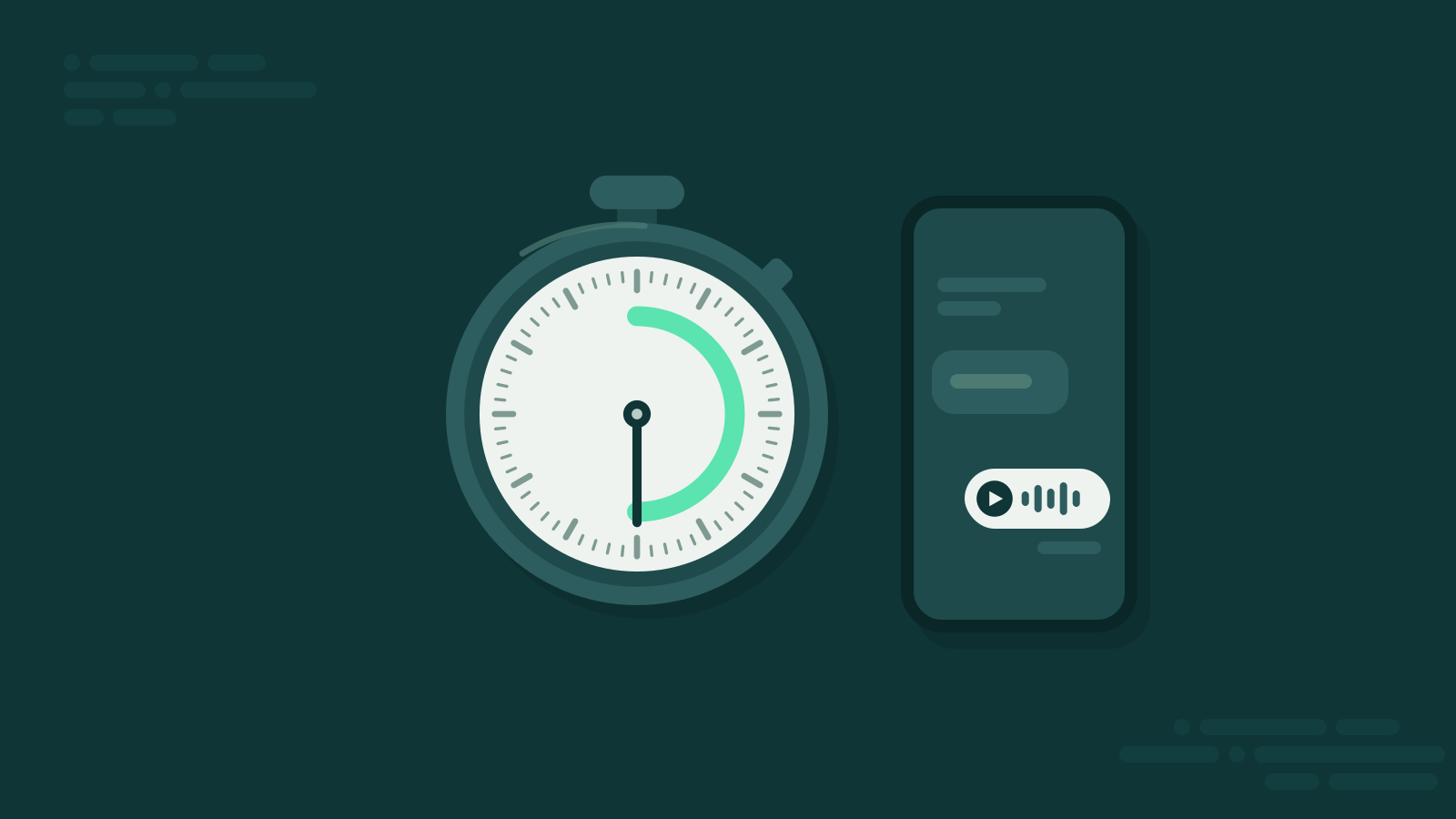
30 seconds sounds tight. It isn’t: that’s roughly the length of a weather forecast on the radio – and that manages to cover the whole country. The trick isn’t to talk faster. It’s to have a fixed shape. Here it is.
The template: reason – point – ask
Every good short voice message has three parts, each about ten seconds long:
- Reason – Why are you getting in touch? One sentence. “It’s about the move on Saturday.”
- Point – What happened, what’s new? Two or three sentences, max. Only what the other person needs to know.
- Ask – What should they do now? Call back, decide, bring something – or explicitly nothing.
The third part is the one people forget most often. And it’s the most important: without an ask, the other person listens and then wonders what they’re actually supposed to do.
Before: two minutes
This is what it often sounds like when you just start talking:
“Hey, it’s me. So, um, I just got off the phone with the landlord, well, actually I meant to call him yesterday, but somehow there was something going on all day. Anyway, he said the key handover can’t be at ten after all, because he’s at another apartment then, somewhere on the other side of town, I think, and then he said more like midday, so twelve. And then I thought, okay, so maybe we need to pick up the van later too, because otherwise it’s just sitting there for two hours, and that costs money as well. I don’t know, what do you think? I mean, I haven’t changed the booking yet. Let me know. Oh, and I’ve got five boxes left, in case you need any. Okay, bye!”
It’s all in there. Just spread over two minutes and well hidden.
After: 30 seconds
“Hi, quick one about Saturday. The key handover isn’t at ten, it’s at twelve. So I’d move the van booking from nine to eleven. Does that work for you? Let me know by tonight and I’ll rebook. And if you need boxes: I’ve got five left.”
Reason: Saturday. Point: twelve instead of ten, move the van. Ask: answer by tonight. The boxes go at the very end as an afterthought – where they don’t get in anyone’s way.
What got cut: why the call was late, the other apartment, the thinking out loud. The other person didn’t miss any of it.
The exercise: think first, then press
Talking briefly takes practice. Here’s how to train it on the side:
- Think of three keywords before you record. Reason, point, ask – one word each in your head. Only then press the mic button.
- Watch the seconds. Record a message in the chat with yourself and keep an eye on the timer. Over 30? Again, this time without the intro sentence.
- Do the cross-check. Forward your own recording to Summarize.One. If the summary says the same thing that’s in your head, the message was clear. If the ask is missing there, it’s missing in your recording too.
After a few days the template runs on its own. You’ll notice it when you’re already thinking about the ask before you’ve even got to the point.
Bottom line
30 seconds is almost always enough once the shape is in place: reason, point, ask. Everything else is background music – nice, but optional.