The Power of Voice Messages – Tips and Tricks for Sending Better Ones
Headline first, one topic, no warm-up. Simple tips for sending voice messages people are actually glad to get.
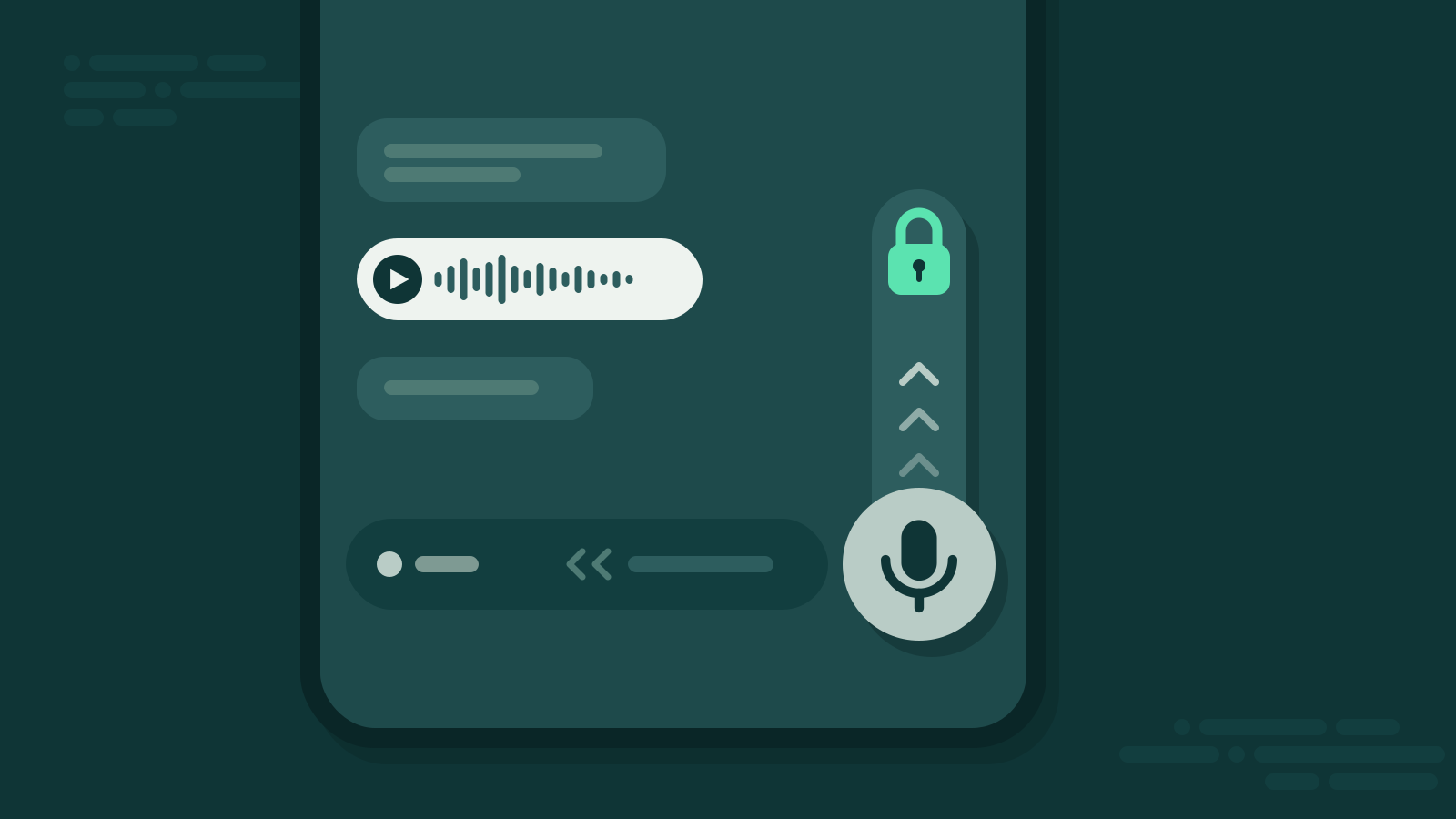
Everyone has received That Voice Message. It opens with “Hiii, so, um, yeah …”, wanders past the weather and somebody’s cat, and reaches the point at minute two. You’ve probably sent one too. Here’s how to send voice messages people are actually glad to get.
Lead with the headline
Put the important bit in the first sentence. Explain afterwards, if you need to.
- “Short version: dinner’s moved to Thursday. Here’s why …”
- “Quick yes-or-no question: can you take the car on Saturday?”
- “Nothing urgent – just a story from today.”
That last one is a headline too. It tells the listener they can save it for later without worrying.
One topic per message
Plumber, holiday plans and your aunt’s birthday? That’s three messages. Separate ones are easier to answer, easier to find again and easier to forward to the right person. One long mixed message tends to get one vague reply covering half of it.
Say the details clearly
Names, times, numbers and addresses are where voice messages fail most often. Slow down for them:
- Times: “Thursday at seven – seven in the evening.” Saying it twice costs a second.
- Numbers: Read phone numbers and amounts in small groups, with pauses.
- Names and places: Spell the unusual ones. “Café Lindner, L-I-N-D-N-E-R.”
If it’s something people will need to copy, send it as text as well. Nobody wants to scrub back to 1:12 to catch a door code.
Cut the warm-up
“Hey, how are you, hope you’re well, so I was just thinking, um …” – ten seconds before anything happens. In a chat, the greeting is already implied. Start with the content. You can still be warm; just be warm about the actual topic.
Stop at about a minute
Not a hard rule, but a useful alarm bell. Once you’re past 60 seconds, ask yourself:
- Is this really one topic?
- Would a call be better?
- Could the key point fit into one line of text, with the voice message as the extra?
Long messages aren’t forbidden. They should just be long on purpose.
Check before you send
You can listen to a voice message before sending it. Do it for anything that matters. Did the key detail make it in? Is a passing siren drowning out the address? Did you say “Tuesday” when you meant “Thursday”? Re-recording takes 30 seconds. Untangling a misunderstanding takes longer.
Bonus: clear speech helps the machines too. Plenty of people read their voice messages rather than listen – via transcripts, or by forwarding them to a tool like Summarize.One on WhatsApp for a short summary. The same habits pay off there: a clear headline, one topic, distinct names and numbers and less background noise all make transcripts and summaries more accurate. Easy to hear means easy to read.
Bottom line
A good voice message is short, starts with the point and says the details clearly. Nobody will thank you for it out loud. But they’ll press play a lot faster next time.